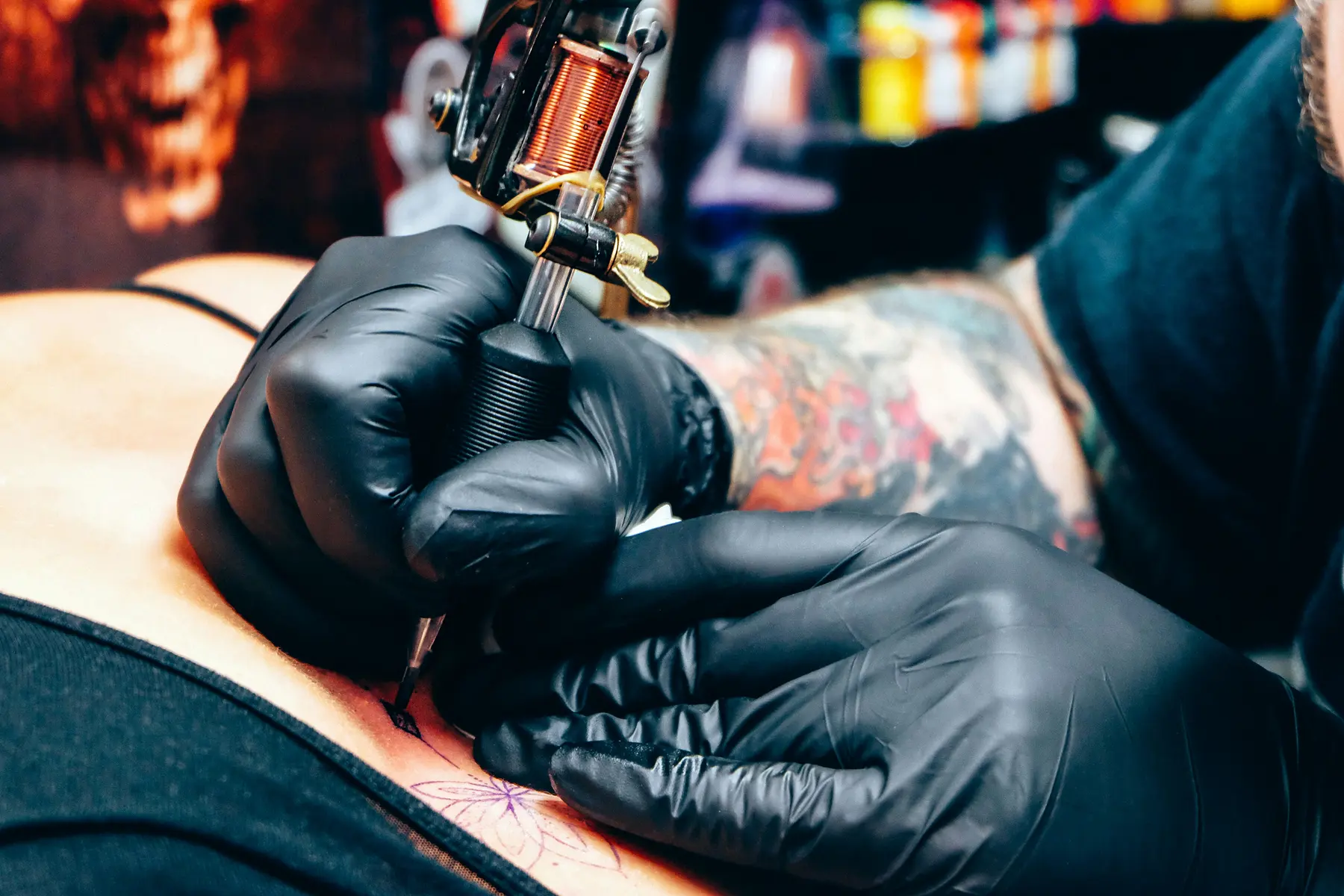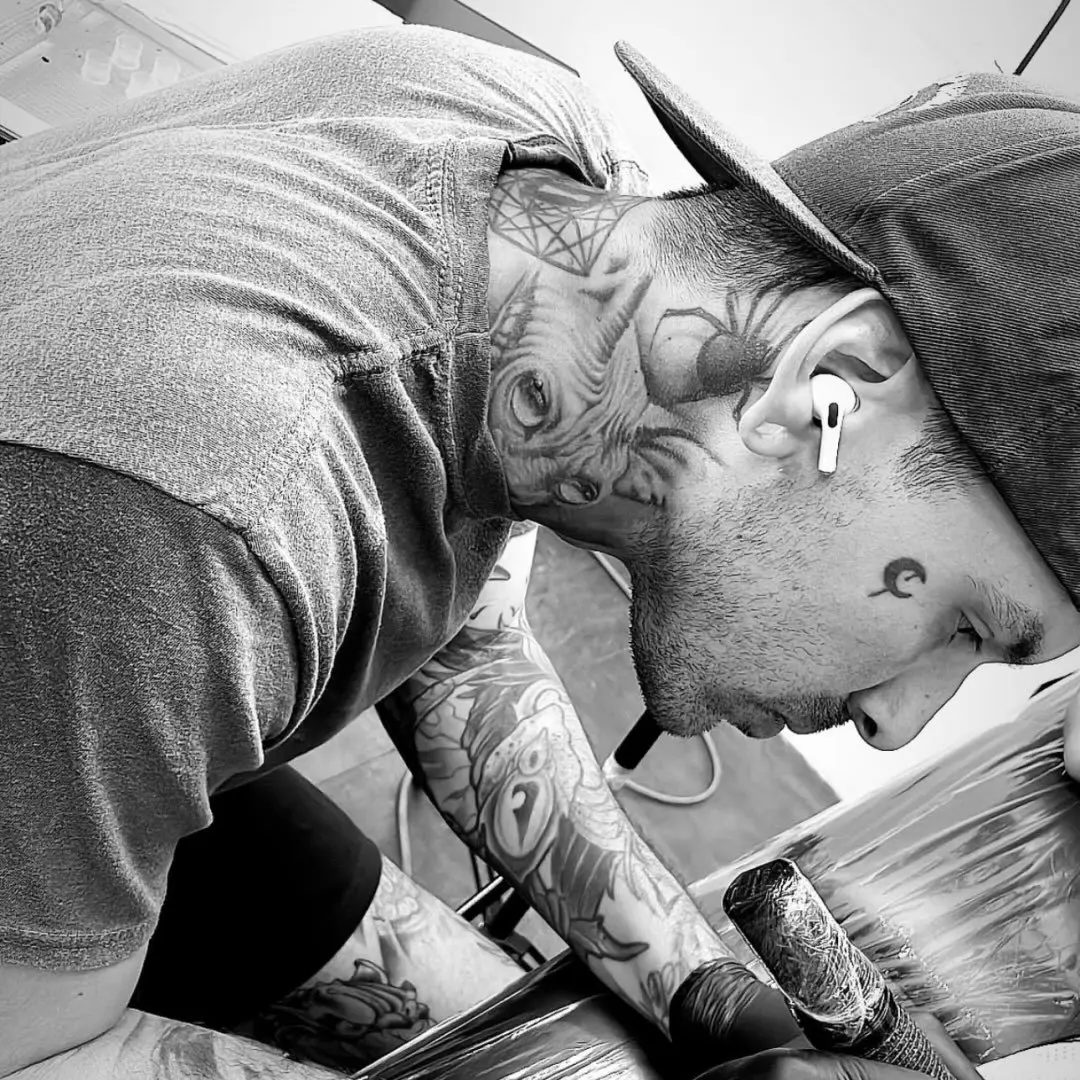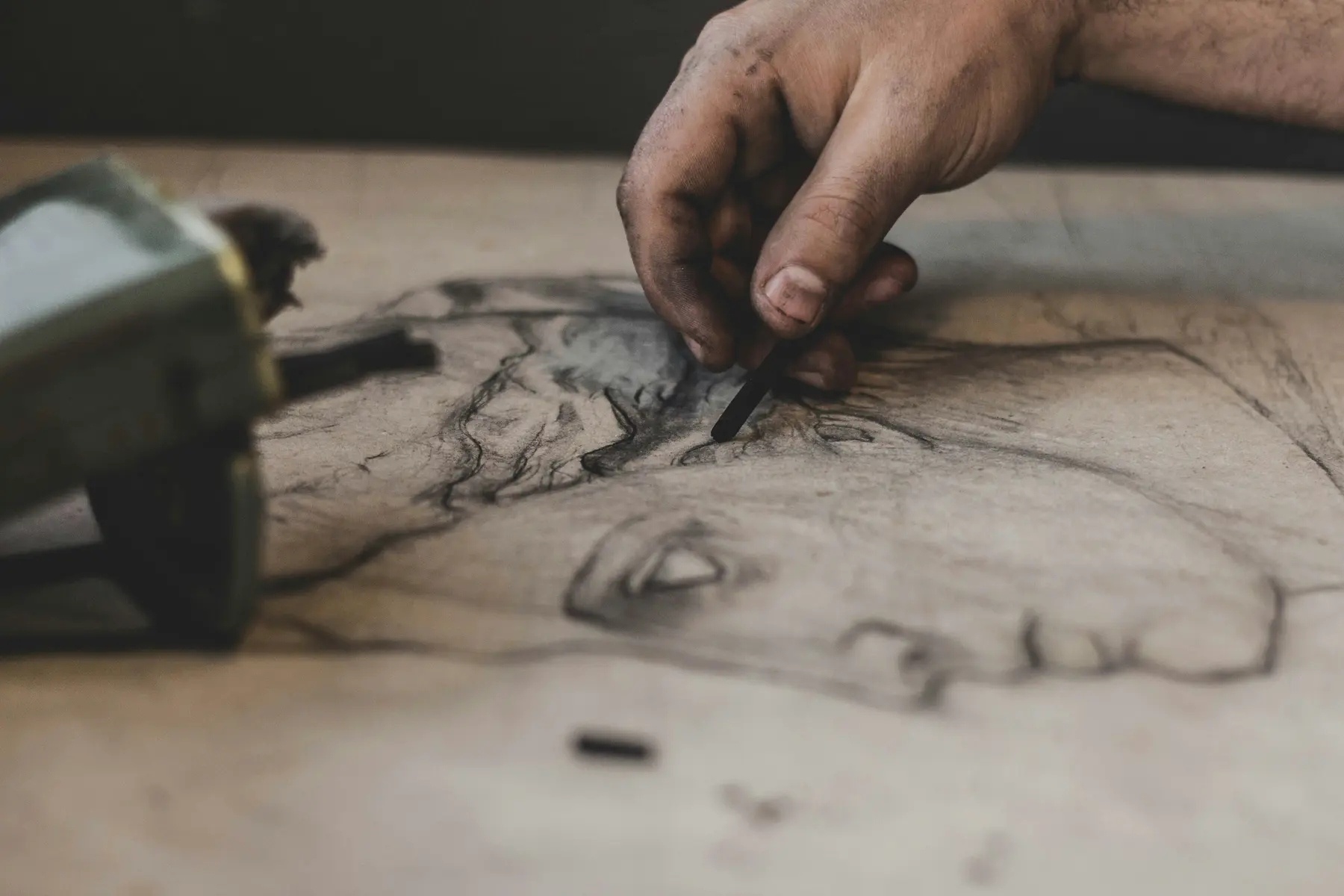
Walking into a studio with an ambiguous idea is the quickest way to end up with a tattoo that feels disconnected from you. Tattoo styles are distinct craft traditions requiring specific needle groupings, ink densities, and hand movements. Understanding how different styles behave on skin helps you select the right artist and get an enduring result.
The core styles explained
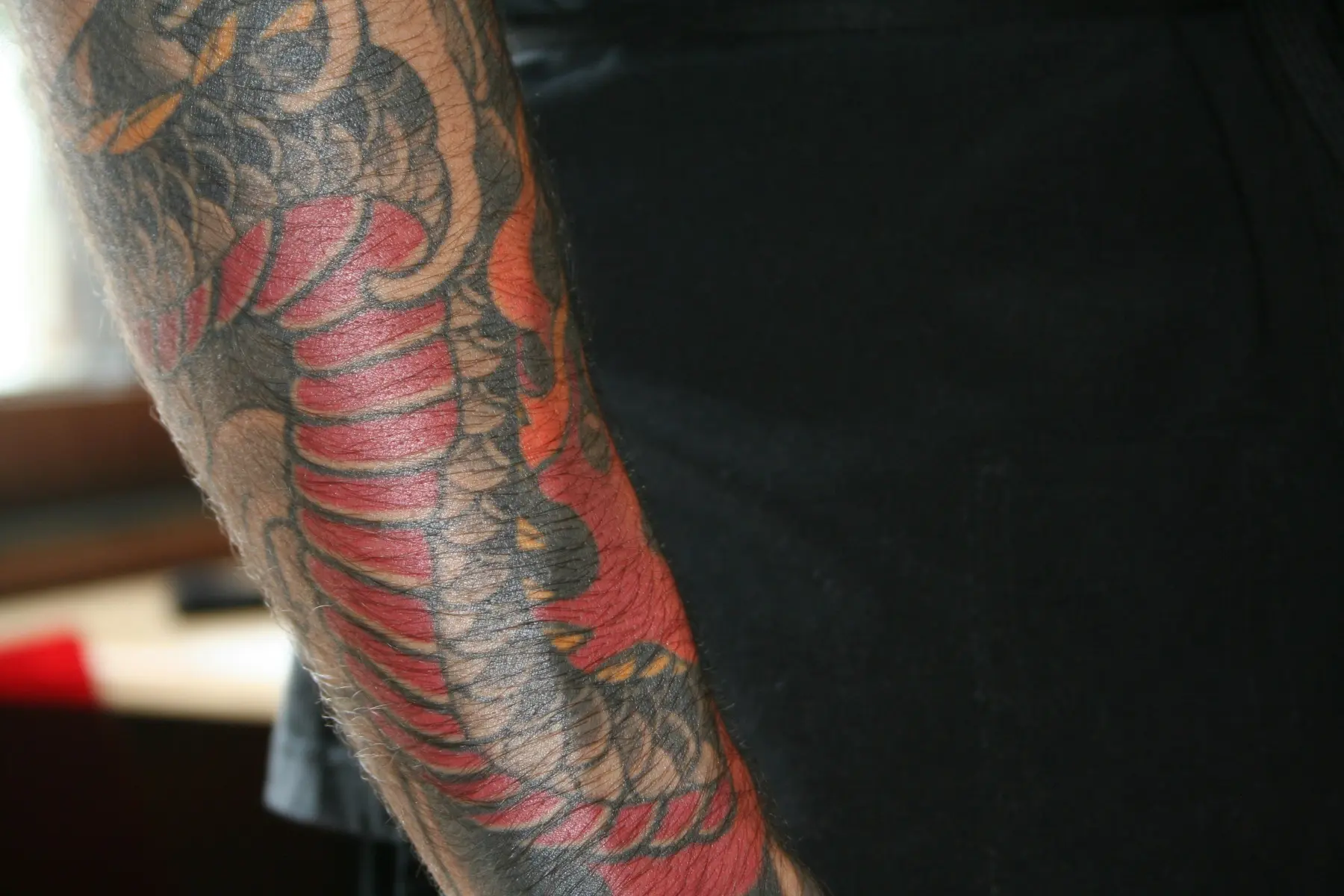
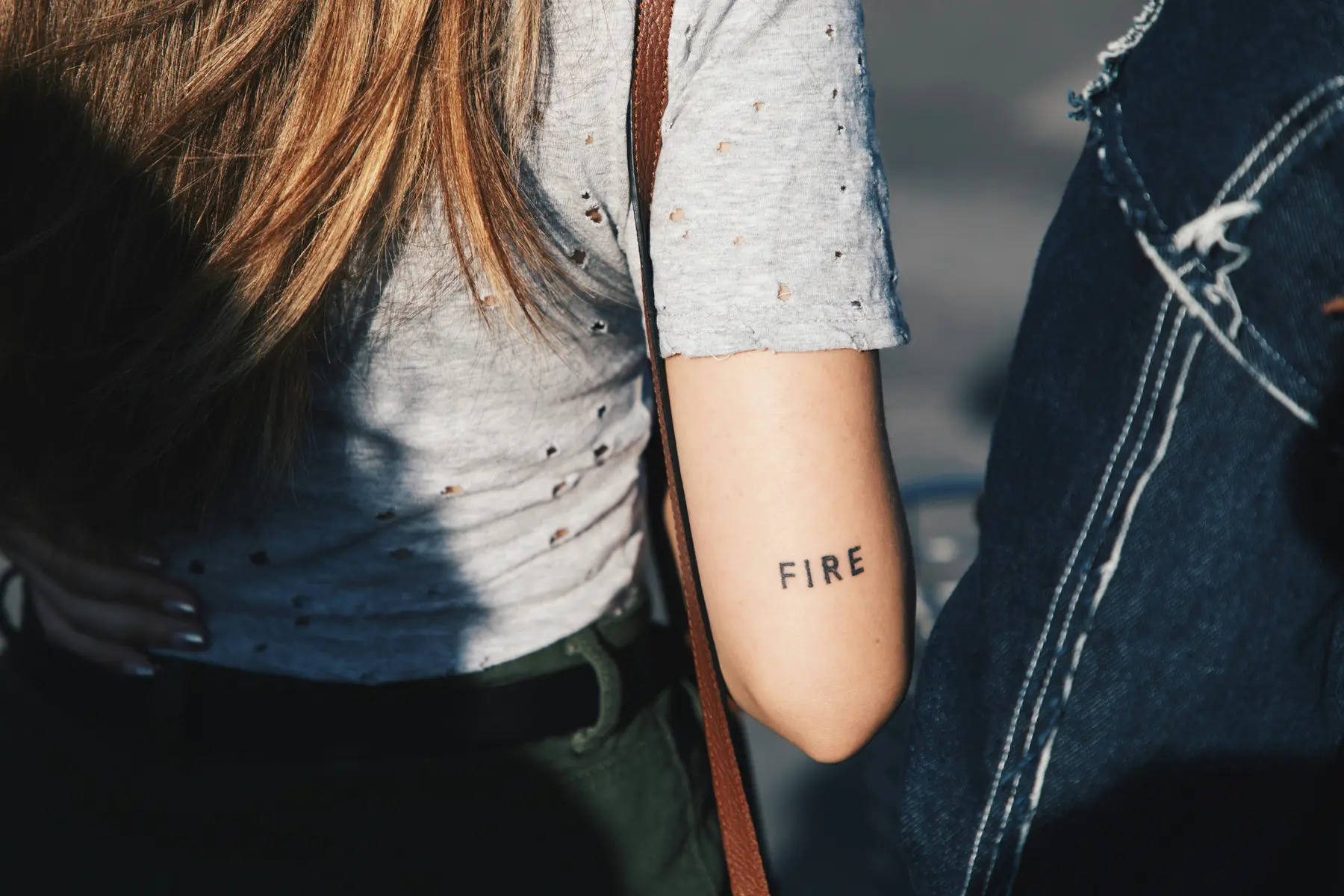
Realism mimics photographs, using smooth grey washes or layered color to build three-dimensional portraits, animals, and landscapes. Blackwork relies on opaque carbon black ink, geometric patterns, solid fills, and bold dotwork. Fine-line uses single needles for delicate botanical illustrations and precise script. Neo-traditional builds on classic American flash with rich color palettes and varied line weights.
What to consider before you pick
Look closely at your chosen body location, your daily sun exposure, and how the tattoo will age over ten years. Fine-line and subtle realism require skilled application and protected skin to hold contrast over time. High-contrast blackwork holds its definition exceptionally well on high-movement areas like arms and legs.
Matching your idea to the right artist
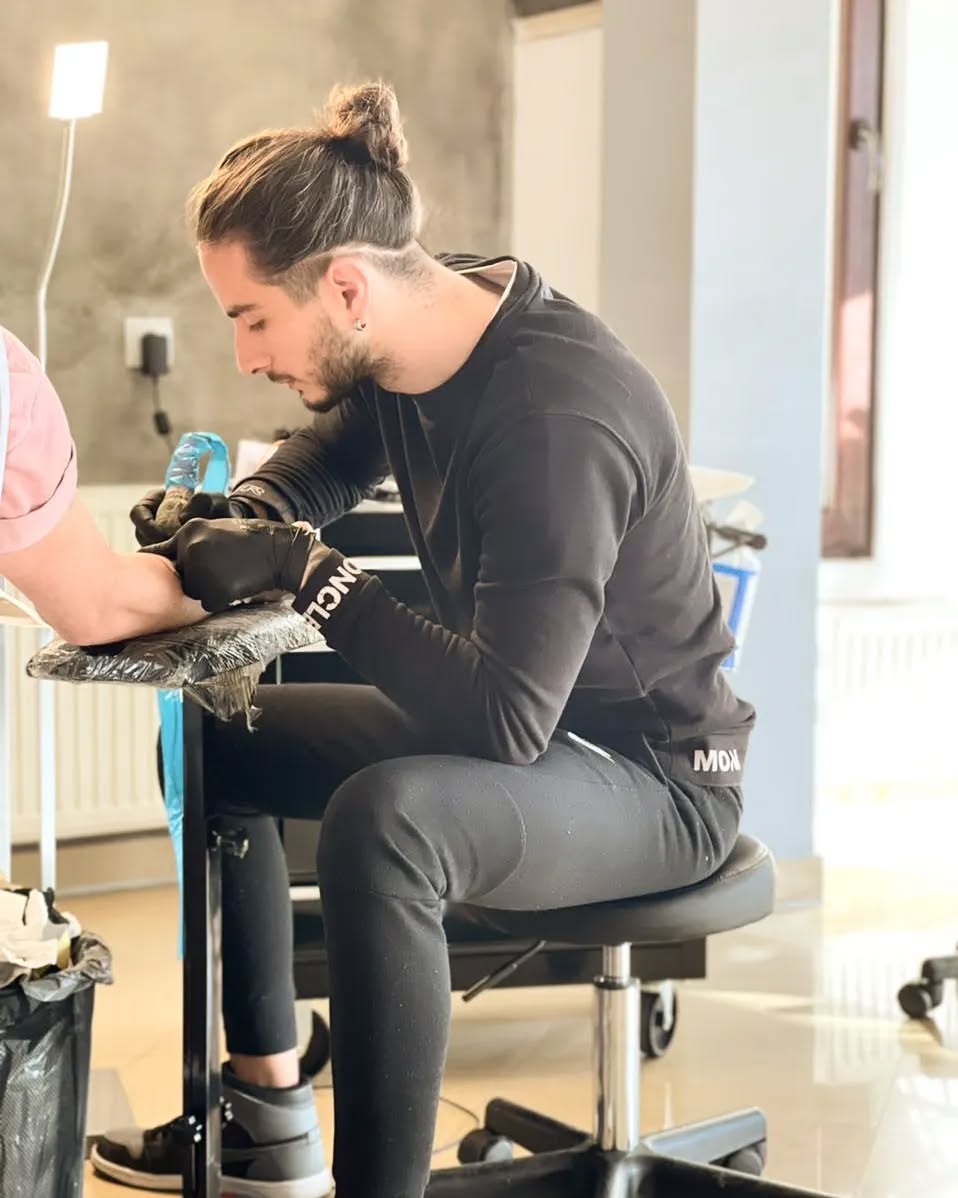
Once you know the visual style you want, find an artist who works in that discipline daily. A specialist portfolio shows consistent, healed execution. You shouldn't ask a realism specialist for micro-script, or a fine-line artist for heavy tribal packing. Book a consultation, show your reference photos, and let the artist advise on scale and placement.
Artists for this topic: Melike Ceylan, Alvaro, Kensi