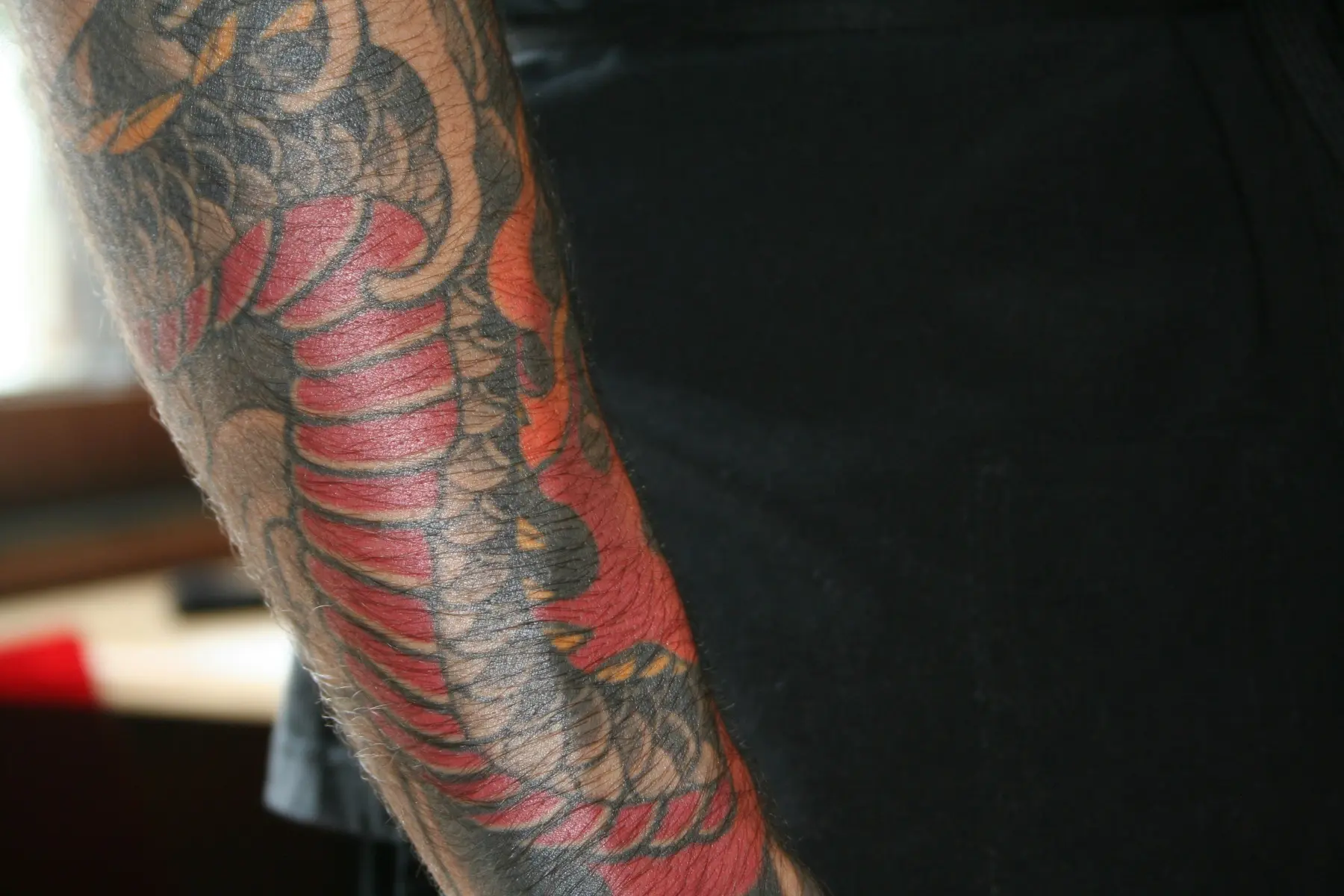
Realism and blackwork represent two of the most technically demanding disciplines in modern tattooing. Both are core specialties at Kafka INK Prague, but they make very different demands on your skin, your budget, and your time in the chair. Here is how to evaluate which approach fits your project.
What realism demands from skin and budget
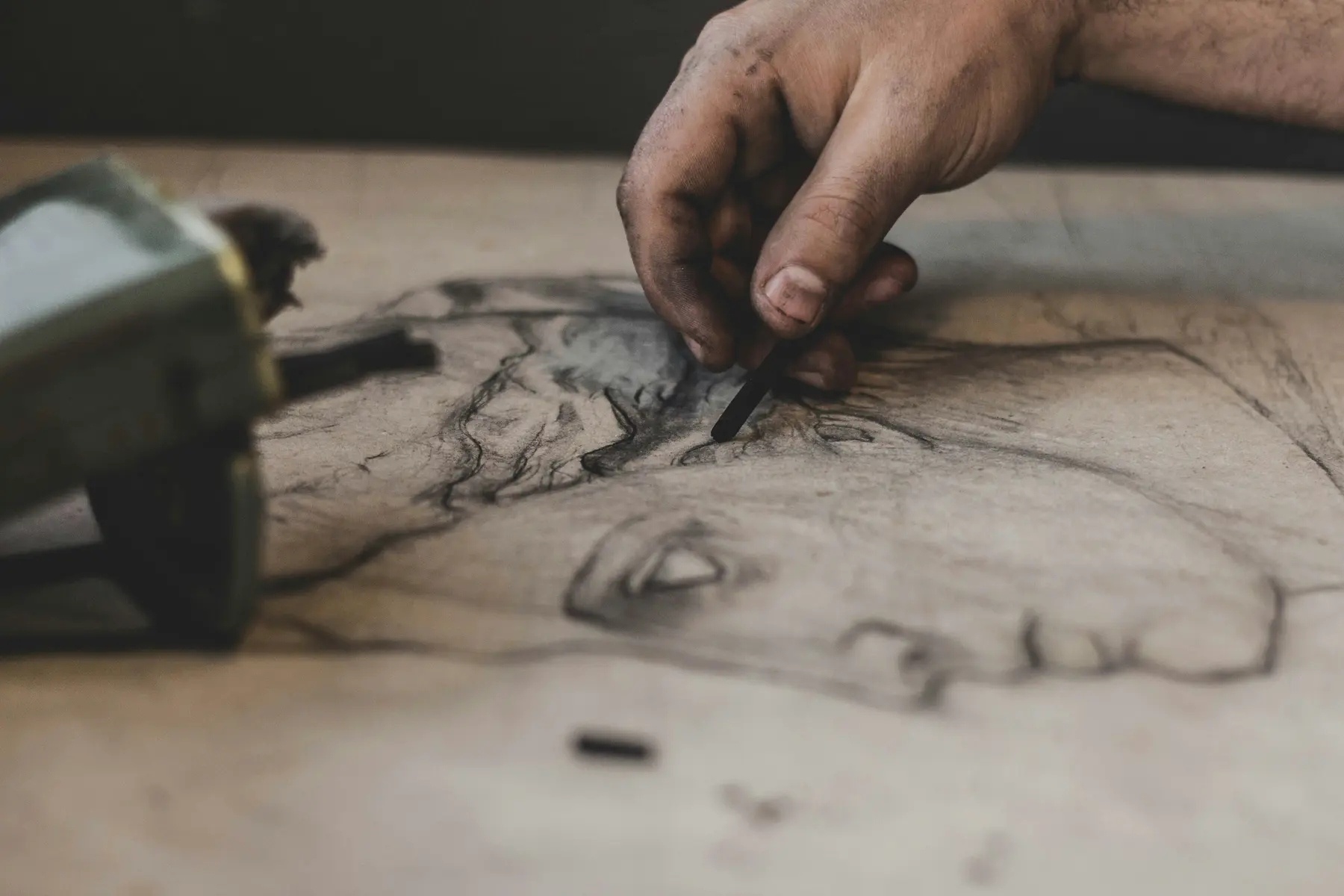
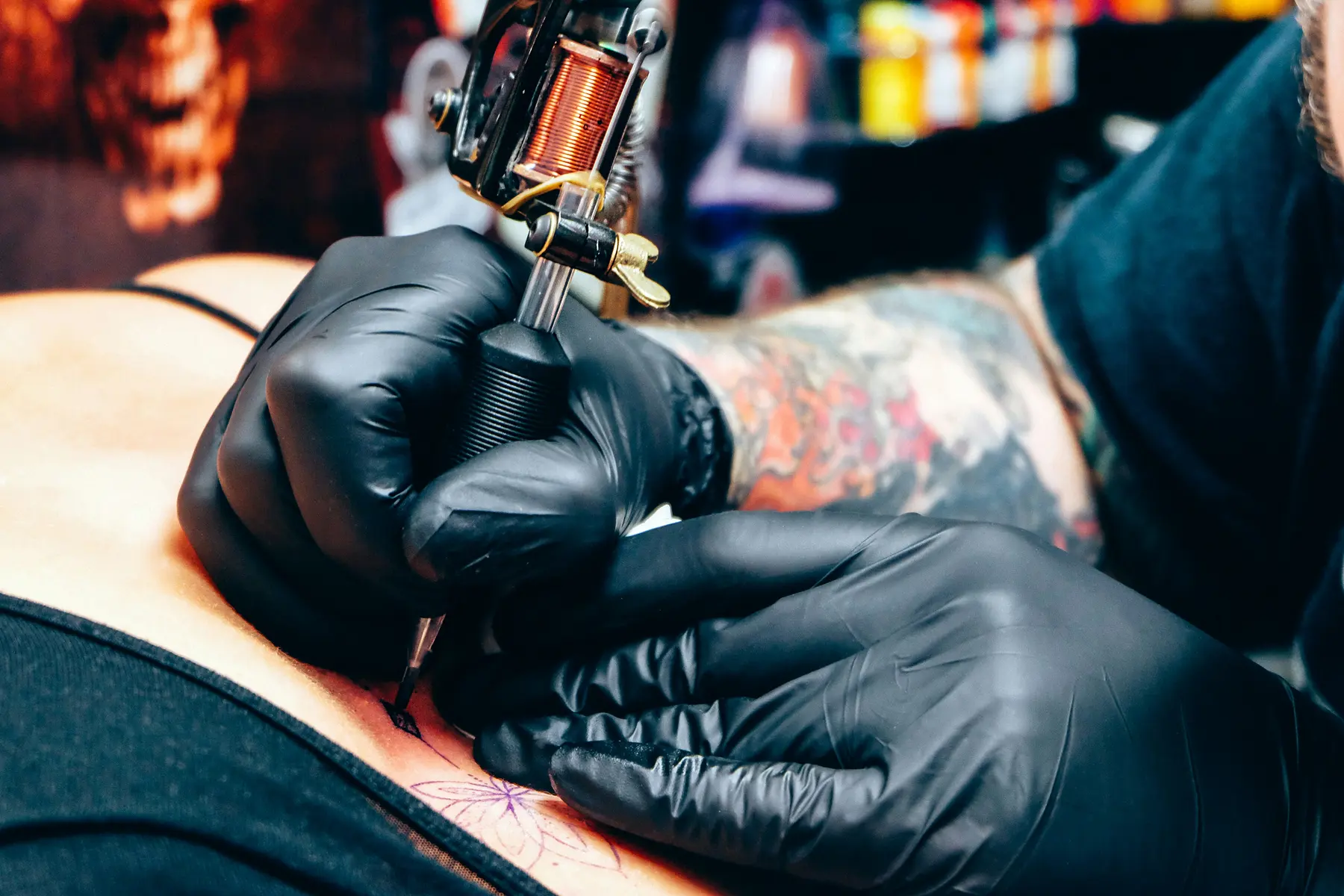
Realism replicates lifelike subjects through soft gradients, precise tonal values, and delicate skin highlights. A strong portrait looks dimensional because the artist builds depth through subtle wash ratios. This requires physical canvas space; portrait faces need at least a palm-sized area to prevent features from blending together as skin matures. Realism sessions run longer and cost more per piece because stencil preparation, photo analysis, and multi-pass shading demand meticulous time.
Where blackwork stands apart
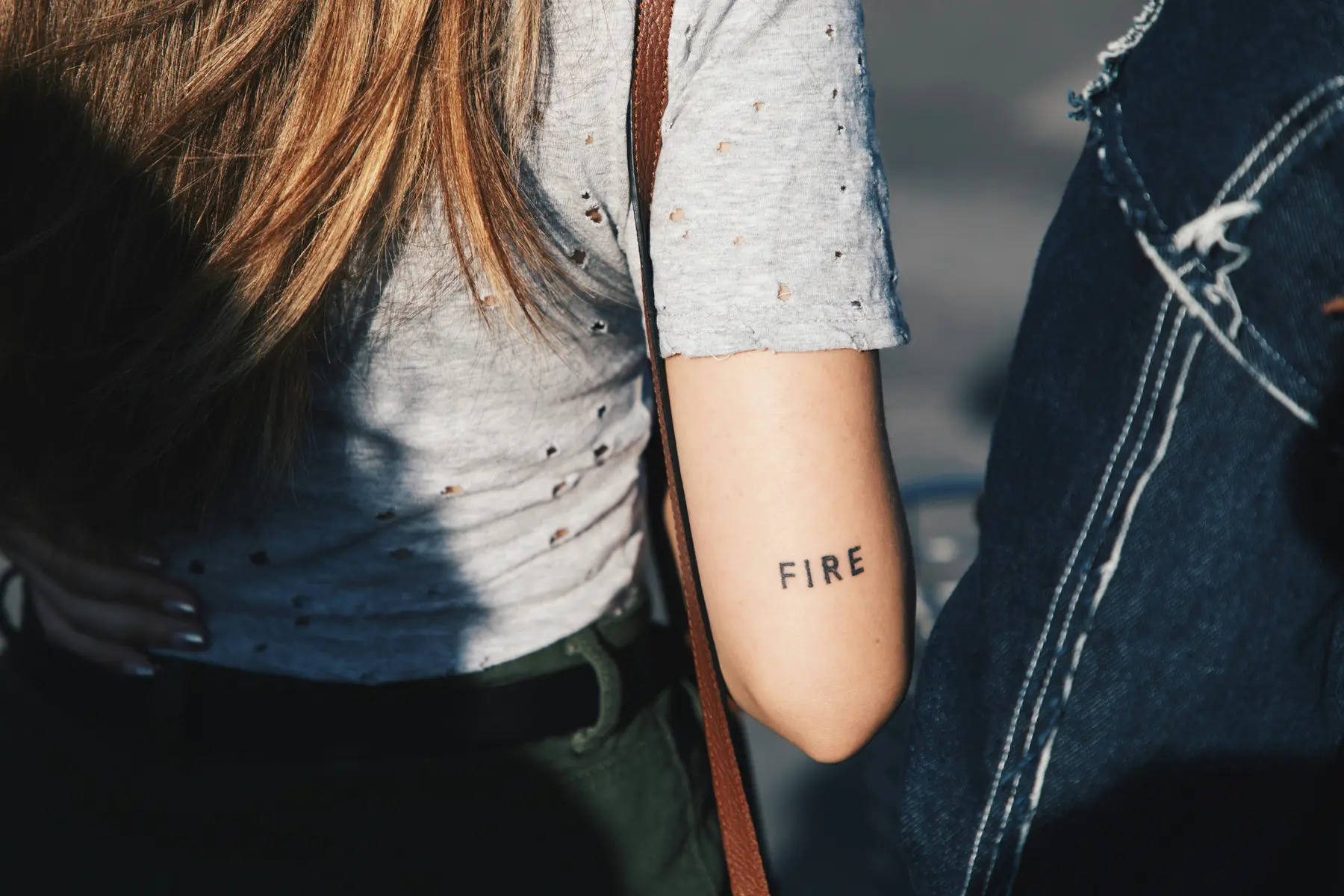
Blackwork spans bold sacred geometry, heavy ornamental patterns, dark illustrative botanicals, and solid blackout sections. The defining trait is its exclusive use of black ink, without color pigments. Blackwork ages with remarkable stability because dense carbon ink and bold outlines don't soften the way delicate photographic gradients can. It works cleanly across sleeves, chests, and calves, holding graphic clarity from across the room.
How to make your decision
Start with your subject matter. If you want a portrait of a person, animal, or specific landscape where photographic fidelity is the priority, choose realism. If your idea is symbolic, architectural, floral, or graphic, blackwork gives you striking contrast and longevity. Consider your pain threshold and budget as well; full realism sleeves require extensive multi-session commitment. Book a consultation at Kafka INK to discuss your reference images with our artists.
Artists for this topic: Mykola Buk, Kensi, Alvaro